
Panama Pensionado Visa Requirements for Retirees
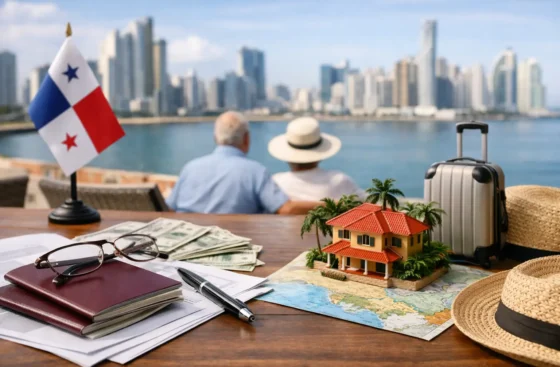
A move to Panama can turn an overseas pension into more than a monthly deposit. It can support a permanent residency strategy, a local home purchase, and a long-term plan for living abroad. The Panama pensionado visa is often the most practical route for retirees with qualifying lifetime income, but a successful application depends on much more than meeting a stated income threshold.
For U.S. citizens and other foreign retirees, the central question is not simply whether Panama is attractive. It is whether their pension source, family situation, documents, and financial plans fit the legal requirements for this residency category. Proper preparation helps prevent delays at a point when many applicants are already coordinating travel, housing, banking, and tax decisions.
What Is the Panama Pensionado Visa?
The Pensionado Visa is a permanent residency category for foreign nationals who receive a qualifying lifetime pension. It is designed for retirees and pensioners who can demonstrate a stable, recurring income from a government entity, military service, a private company, an insurance company, a retirement plan, or another recognized pension source.
Unlike residency paths based on a specific investment amount, this category is centered on the applicant's pension income. Once permanent residency is approved, the resident may apply for a Panamanian cédula, the national identification card used in many day-to-day transactions.
The visa is especially relevant for retirees who want to establish Panama as a genuine home rather than make short visits under tourist status. Permanent residency can provide a stronger legal foundation when signing a lease, purchasing property, arranging services, or planning a longer stay with a spouse or dependents.
It does not, however, automatically answer every legal or financial question that comes with relocation. Residency, tax treatment, access to banking services, healthcare decisions, property ownership, and estate planning each require separate analysis based on the client's circumstances.
Who Can Qualify for Pensionado Residency?
The principal applicant generally must prove a lifetime pension of at least $1,000 per month. The pension must be permanent, not a temporary benefit or a short-term income arrangement. Social Security retirement benefits may qualify when properly documented, as may many government, military, and private pension plans.
When an applicant includes eligible dependents, the required monthly pension amount generally increases by $250 for each dependent. A spouse is commonly included as a dependent, as may qualifying children under the applicable immigration rules. The evidence must show that the principal applicant's pension meets the required amount for the full family group.
A key distinction is that Panama looks for a pension that is paid for life. Income from investments, rental properties, consulting work, or a savings account may be financially strong but may not satisfy the Pensionado Visa standard on its own. Retirees with substantial assets but no qualifying lifetime pension may need to consider another residency option.
There is a property-related exception that can be useful in certain cases. An applicant who owns qualifying real estate in Panama may be able to qualify with a lower monthly pension, subject to the value of the property and the legal conditions in force at the time of filing. This can be helpful for a retiree who has a reliable pension slightly below the standard threshold, but it should not be treated as a substitute for confirming eligibility in advance.
Documents That Commonly Require the Most Attention
The application process is document-driven. The quality, timing, translation, and authentication of each document can determine whether a filing moves forward efficiently or requires corrections.
Applicants commonly need a valid passport, proof of the lifetime pension, a criminal background record from the relevant jurisdiction, health-related documentation, photographs, and immigration forms. Dependents will need their own supporting documents, including proof of the family relationship. A marriage certificate, for example, may be necessary to include a spouse, while birth certificates are typically required for children.
For applicants coming from the United States, documents issued abroad often must be apostilled or otherwise authenticated for use in Panama. Documents may also require an official Spanish translation. Criminal records and other time-sensitive certificates must be current when filed, so ordering them too early can create a problem just as easily as ordering them too late.
Pension evidence deserves particular care. Immigration authorities need documentation that clearly identifies the pensioner, the issuing institution, the monthly amount, and the lifetime nature of the benefit. A benefit letter that omits key language can lead to requests for additional evidence. Before obtaining an apostille or arranging translations, it is wise to verify that the underlying document contains the information Panama requires.
The Process: From Entry to Permanent Residency
The process typically begins with a review of eligibility and supporting documents before the applicant travels or before the legal filing is prepared. This early review is valuable because it identifies whether a pension letter needs to be revised, whether a dependent's records are complete, or whether an alternative residency category would better serve the applicant's objectives.
After the application is filed with Panama's immigration authorities, the applicant may receive temporary documentation while the permanent residency decision is pending. The timing can vary based on the completeness of the file, government processing conditions, and whether immigration requests additional information.
Once permanent residency is granted, the resident can proceed with the cédula process. The cédula is not merely an administrative formality. It can make practical tasks easier, including interactions with local providers and institutions that routinely request Panamanian identification.
Applicants should also plan their travel calendar carefully. Although counsel can coordinate much of the process, certain steps may require the applicant to be physically present in Panama. A realistic plan accounts for filing appointments, immigration processing, cédula steps, and any personal banking or property meetings scheduled around the same trip.
Benefits Are Valuable, but They Are Not Automatic
Panama is well known for benefits and discounts associated with pensioner status. These may include discounts in areas such as transportation, entertainment, medical services, restaurants, and certain utilities. The practical value depends on how a person lives, where they reside, and which services they use.
It is important to distinguish the residency visa from every discount or commercial benefit promoted under Panama's pensioner laws. Eligibility rules, documentation requirements, provider practices, and applicable regulations can differ. A retiree should not make a relocation decision based solely on expected discounts, particularly before confirming how those benefits apply to their particular status.
The more durable advantage is legal certainty. A properly structured permanent residency process gives a retiree a predictable immigration basis from which to make other decisions. That matters when purchasing a condominium, establishing a family home, arranging succession planning, or creating a Panamanian company to hold permitted assets.
Common Planning Mistakes to Avoid
The first mistake is assuming that every recurring payment is a qualifying pension. Retirees should confirm the legal character of their income before committing to travel dates, a real estate deposit, or a long-term lease.
The second is treating immigration as an isolated task. A person planning to buy property may need to consider title review, financing terms, ownership structure, marital property issues, and estate planning alongside residency. For some clients, purchasing personally is appropriate. For others, a corporation or another legal structure may better support asset protection and succession goals. The answer depends on the property, family, and financial plan.
The third is relying on outdated checklists. Immigration rules, document requirements, government forms, and processing practices can change. A checklist copied from an old forum post may overlook a current requirement or encourage an applicant to obtain documents outside their valid period.
Finally, applicants should be cautious about tax assumptions. Panama's tax system and an individual's home-country tax obligations are separate matters. U.S. citizens, in particular, may continue to have U.S. filing obligations even after becoming Panama residents. Immigration counsel and qualified tax advice should work together when retirement income, investments, or property ownership cross borders.
Build the Visa Into Your Wider Panama Plan
The Pensionado Visa is a strong option when a retiree has the right income profile and wants permanent roots in Panama. Its greatest value is not a stamp in a passport. It is the ability to move forward with a residence plan that is legally organized and aligned with personal goals.
Kovalenko & Vera can coordinate pensionado residency with cédula applications, real estate transactions, corporate structuring, and other legal needs that often arise during a move to Panama. Before submitting documents, obtain a tailored review of your pension evidence and relocation plans. A clear legal strategy at the beginning gives you more confidence when choosing where and how to build your next chapter.