
Panama Cedula Process for Permanent Residents
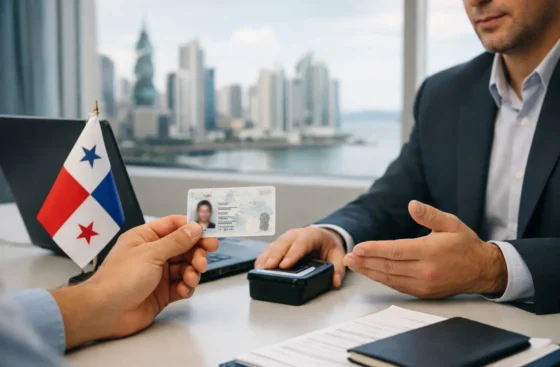
Receiving permanent residency in Panama is a significant milestone, but it is not always the final administrative step. The Panama cedula process allows qualifying foreign residents to obtain a Panamanian identity card, commonly known as a cédula E. For many clients, this document makes daily life, banking, property transactions, and long-term planning in Panama more practical.
A cédula is not a passport, and it does not change a foreign national’s citizenship. It is a local identity document issued by Panama’s Electoral Tribunal to foreigners who meet the legal requirements. Understanding when to apply, what to bring, and how the cédula fits into your broader residency strategy can prevent unnecessary delays.
Who Can Apply for a Panama Cédula?
The central requirement is permanent resident status. In general, foreign nationals must first complete the immigration process and obtain their permanent residence card through the National Migration Service before applying for a cédula E with the Electoral Tribunal.
This distinction matters. A temporary residence card, a pending application, or an immigration filing receipt does not necessarily create eligibility for a cédula. The correct moment to begin is after permanent residency has been formally granted and the supporting immigration documentation is available.
Permanent residents may qualify through several immigration categories, including the Pensionado Visa, residency based on economic solvency, marriage to a Panamanian citizen, certain investment routes, or other categories recognized under Panamanian immigration law. Eligibility for residency and eligibility for a cédula are connected, but they are not the same filing. Each authority reviews its own documentation.
For a family relocating to Panama, timing is especially relevant. A spouse or dependent child may have a different immigration status than the principal applicant. Their cédula eligibility should be reviewed individually rather than assumed from the principal resident’s approval.
Why a Cédula E Matters After Residency Approval
A permanent residence card confirms your immigration status. A cédula E serves as a recognized local identity document. In practical terms, it can reduce the need to present a passport for routine transactions and can make it easier for institutions to identify you within their internal systems.
Banks, notaries, real estate counterparties, utility providers, insurers, and certain government offices may request identification as part of their compliance procedures. Requirements vary by institution, and a cédula does not eliminate all requests for a passport, proof of address, tax information, or source-of-funds documentation. Still, it is often the identification document local organizations expect a permanent foreign resident to have.
The value is particularly clear for clients whose plans extend beyond relocation. If you are purchasing property, seeking mortgage financing, opening or maintaining a local bank account, establishing a company, or managing a Panama-based business, consistent local identification supports smoother documentation and recordkeeping.
A cédula E may also be useful in personal matters such as signing leases, enrolling in services, handling medical or insurance records, and completing notarized documents. It is a practical part of establishing a stable legal and commercial presence in Panama.
Documents for the Panama Cedula Process
The Electoral Tribunal sets the documentary requirements and may update administrative procedures, appointment availability, fees, and document formats. For that reason, applicants should confirm current requirements before attending an office. The documents commonly involved include your valid passport, permanent residence card, and proof or certification of permanent resident status issued through the appropriate immigration authority.
You may also need supporting copies, completed forms, photographs or biometric registration, and payment of the applicable government fee. The office may review names, dates of birth, nationality, passport numbers, and immigration records closely. A small discrepancy between a passport, residency resolution, birth certificate, or prior immigration filing can create an avoidable complication.
For example, some foreign documents contain compound surnames, middle names, accents, or name order formats that do not match how a local system records personal data. These issues are usually manageable, but they should be identified before the appointment. The goal is not simply to submit documents. It is to ensure that the identity record created in Panama accurately reflects the applicant’s legal documentation.
Applicants should also understand that documentation requirements can differ where residency was obtained under a special legal regime or where an immigration record has been renewed, corrected, or reissued. A targeted legal review is more useful than relying on an old checklist shared by another applicant.
Keep Your Residency Records Consistent
Before beginning the cédula application, review your passport, permanent residence card, migration resolution, and any related civil-status documents. Check spelling, order of names, marital status, and nationality. If a correction is needed, addressing it early is generally more efficient than trying to resolve it at the identification office on the day of the appointment.
This review is also valuable for investors and business owners. A name inconsistency may later appear in bank due diligence, corporate filings, property deeds, loan documentation, or powers of attorney. Coordinating the cédula process with your broader legal records helps preserve clarity across your affairs in Panama.
Step-by-Step: From Permanent Residency to Cédula E
The process begins once permanent residency is approved. First, obtain and verify the permanent residence documentation required by the National Migration Service. Then, confirm the Electoral Tribunal’s current application procedure, including whether an appointment is necessary and which office will handle the filing.
At the appointment, the applicant presents the required documents and completes the identity registration process. This may include biometric capture, a photograph, signature registration, and review of personal information. The authority may issue the card on the same day or establish a collection date, depending on current operations and the nature of the file.
The final step is collecting the cédula and reviewing it immediately. Confirm that your full name, date of birth, nationality, identification number, and other visible details are accurate. If anything appears incorrect, request guidance promptly on the correction procedure. Waiting until a bank, notary, or government office identifies the issue can add pressure to a transaction that is already time-sensitive.
Processing times can vary. Government workloads, appointment availability, system updates, holidays, and the completeness of the underlying immigration record all affect timing. Clients should avoid scheduling an important property closing, travel date, banking deadline, or corporate transaction on the assumption that a cédula will be issued by a particular date.
Common Mistakes That Delay the Application
The most common mistake is applying before permanent residency is finalized. Another is arriving with incomplete or outdated supporting records. Both situations can result in a return visit and lost time.
Applicants also sometimes treat the cédula as a substitute for maintaining immigration compliance. It is not. A permanent resident should continue to protect the status that supports the cédula, including any applicable renewal, travel, address, or documentation obligations. Immigration status and civil identification should be managed as connected parts of the same legal profile.
A third issue is failing to plan around related transactions. If a real estate purchase, mortgage application, corporate restructuring, or local banking relationship is underway, the parties involved may need specific identification at specific stages. Coordinated planning can determine whether it is better to proceed with a passport and residence card, wait for the cédula, or prepare alternative supporting documentation.
When Legal Support Adds Value
Many straightforward cédula applications can be completed without difficulty when the resident’s documents are accurate and the immigration file is clear. Legal support becomes particularly valuable when there are inconsistencies in records, family dependents, a change of name or marital status, a complex residency category, or a transaction that depends on accurate local identification.
For international clients, the cédula should be viewed as one element of a coordinated plan. Residency may affect banking. Banking may support a property purchase. Property ownership may involve a corporation, financing, tax planning, or estate considerations. Managing those steps through separate, uncoordinated providers can create gaps in documentation and timing.
Kovalenko & Vera assists clients with residency, cédula procedures, corporate matters, real estate transactions, and related legal planning under a coordinated strategy. Clear guidance at the right stage helps clients move forward with greater certainty and fewer administrative surprises.
A well-prepared cédula application is more than a card collection appointment. It is an opportunity to ensure your identity, residency, assets, and next steps in Panama are aligned from the start.