
Panama Ship Registry: What Owners Should Know
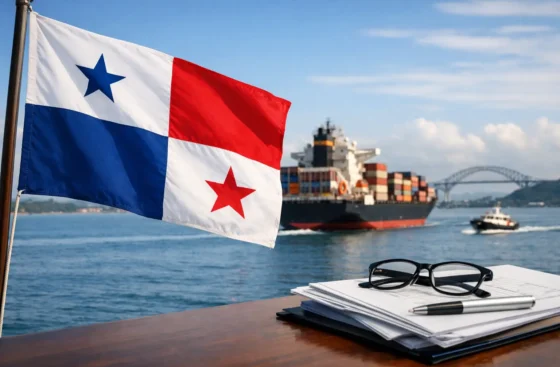
A vessel’s flag is more than a name on the stern. It determines the legal system governing ownership, mortgages, crewing standards, inspections, and much of the vessel’s commercial operation. For many international owners, the Panama ship registry is a practical option because it combines a long-established open registry with a legal framework designed for global maritime commerce.
That said, the right flag cannot be chosen on reputation alone. A yacht owner, a ship-management company, and a lender financing a commercial vessel may face very different priorities. The registry must fit the vessel’s intended use, ownership structure, operating area, financing arrangements, and ongoing compliance capacity.
Why the Panama Ship Registry Is Widely Used
Panama has maintained one of the world’s largest merchant fleets for decades. Its registry is open to foreign individuals and companies, which means a non-Panamanian owner may register a vessel under the Panamanian flag without becoming a Panamanian citizen or resident.
For international owners, this accessibility is often a central advantage. Registration may be structured through a Panamanian corporation or another eligible ownership vehicle, allowing the vessel to be held separately from personal assets or other business operations. When the ownership entity is properly created and maintained, it can support clearer asset administration, transfers, succession planning, and financing.
The registry also recognizes maritime mortgages. This is especially relevant where a bank, private lender, or seller-financing arrangement requires a secured interest in the vessel. A properly registered mortgage provides the lender with a recognized security right under the applicable maritime framework. The documentation, priority of liens, and coordination with the lender must be handled carefully from the beginning.
Panama’s maritime system is also familiar to shipowners, insurers, classification societies, and port authorities around the world. Familiarity can reduce uncertainty in cross-border transactions, but it does not eliminate the owner’s responsibility to maintain valid documents and meet operational standards.
Registration Is Not Just an Administrative Filing
A common mistake is to treat flag registration as a single formality completed after a vessel purchase. In practice, registration is part of a broader legal and operational plan.
The first question is ownership. The vessel may be owned directly by an individual, by a Panamanian corporation, or by a foreign company that meets the registry’s requirements. Each approach has consequences for governance, tax planning, banking, liability management, estate planning, and documentation. A structure that works for a privately used yacht may not be suitable for a vessel chartered commercially or owned by multiple investors.
The second question is the vessel’s legal history. Before registration, owners should confirm the chain of title, existing mortgages, recorded liens, prior deregistration status, and the accuracy of the vessel’s technical information. A missing release, inconsistent bill of sale, or unresolved mortgage can delay registration and create risk after closing.
The third question is operational use. Private pleasure vessels, commercial yachts, cargo vessels, fishing vessels, and offshore units can be subject to different compliance expectations. The vessel’s actual activity must match its certificates, insurance, crew arrangements, and safety documentation. Registering a yacht as private while operating it commercially can create serious exposure for the owner.
Key Steps to Register a Vessel in Panama
The process commonly begins with a review of the vessel and ownership documents. Depending on the case, these may include a bill of sale, proof of ownership, deletion certificate or consent from the previous registry, tonnage information, class documentation, radio licensing information, and corporate records for the owner.
A Panamanian registration may begin with a provisional registration while permanent documentation is being completed. This can be useful when timing matters, such as at vessel closing, during delivery, or when a lender requires prompt evidence of flag registration. Provisional status is not a substitute for completing the permanent file. Owners must track every deadline and submit final documents in the required form.
For a vessel owned by a Panamanian company, the corporate side must be in order as well. That includes maintaining the company’s legal existence, resident agent relationship, internal authorizations, and applicable compliance records. Where a purchase, mortgage, or sale is approved by corporate resolution, the authority of the signatory should be clear and properly documented.
Documents Often Need More Than a Signature
Cross-border transactions frequently involve documents issued in several countries. A bill of sale signed abroad, a power of attorney, a corporate certificate, or a mortgage release may need notarization, apostille or legalization, and an official translation before it can be accepted for the intended purpose.
Document formalities are not minor details. They are often the difference between a registration that moves forward and one that is delayed while a vessel is waiting for delivery, charter, or financing. Reviewing execution requirements before parties sign is usually faster and less expensive than correcting documents after closing.
Mortgages and Vessel Financing
A vessel financed through a bank or private lender requires particular attention. The lender will typically want assurance that its mortgage is validly created, recorded, and enforceable with the expected priority. The owner, lender, seller, and legal representatives should agree on the closing sequence before funds are released.
This sequence may include the transfer of title, filing of the mortgage, issuance of registration documents, and release of any prior encumbrances. When the vessel is changing flag at the same time, coordination becomes even more critical. The deregistration from the prior registry, cancellation of prior mortgages, and new Panamanian filings must align without leaving gaps in title or security.
Panama can be attractive in financed transactions because its legal system recognizes maritime mortgages and has extensive experience with vessel-related security interests. Still, the security package should be reviewed against the lender’s jurisdiction, the vessel’s trading pattern, insurance requirements, and any applicable charter arrangements.
Ongoing Compliance Under the Panamanian Flag
Registration is the beginning of an owner’s obligations, not the end. Depending on vessel type and use, compliance may involve annual fees, radio licensing, statutory certificates, inspections, class requirements, crew documentation, safety management obligations, and insurance coverage.
Commercial operators should also consider labor and crewing issues. Crew contracts, wage obligations, repatriation arrangements, medical fitness, and certification standards can carry substantial legal and financial consequences. A flag decision should be made with the vessel’s full operating model in mind, not only its initial registration cost.
The vessel’s name, port of registry, markings, and onboard documents must remain accurate. Changes in ownership, corporate control, mortgage status, vessel name, or technical characteristics may require updates to registry records. Failure to report changes can complicate a later sale, financing transaction, casualty claim, or port-state inspection.
When Panama May Not Be the Best Choice
The Panamanian flag is not automatically the best answer for every owner. Some owners prefer a registry connected to their country of residence, a specific tax regime, a local charter market, or a lender’s established preference. Others may need a flag with particular commercial arrangements or regional operating advantages.
For a U.S. owner, for example, the decision may turn on whether the vessel will remain in U.S. waters, be used in charter operations, be imported, or be held for international cruising. U.S. tax, customs, state registration, and operational rules may still apply even when the vessel is foreign flagged. A Panamanian registration does not remove obligations created by where the vessel operates or where its owner is tax resident.
The best registry is therefore the one that supports the complete transaction and operating plan. Cost matters, but so do legal predictability, lender requirements, document timing, compliance resources, and the owner’s long-term objectives.
Legal Support for Vessel Owners
A well-planned vessel registration brings together maritime law, corporate structuring, financing, document formalities, and ongoing compliance. Kovalenko & Vera assists vessel owners and investors with coordinated legal guidance so that registration supports the asset, rather than becoming a source of avoidable risk.
Before committing to a flag, review the ownership structure, vessel history, intended use, and financing terms as one connected plan. That preparation creates the legal certainty owners need to operate, sell, finance, or transfer their vessel with confidence.