
How to Register a Trademark in Panama Properly
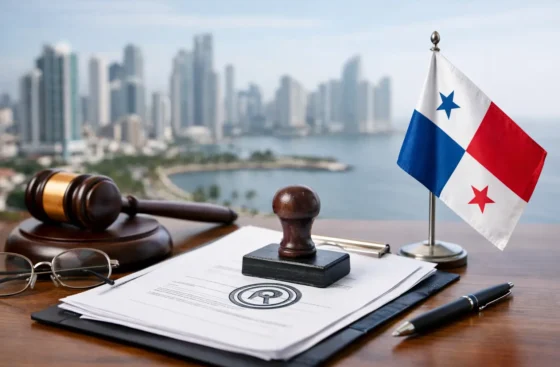
A company name can be available for incorporation in Panama and still create a trademark problem. The same is true for a restaurant brand, real estate development, online store, consulting practice, or product sold through local distributors. Understanding how to register a trademark in Panama helps protect the commercial identity behind your investment before another party claims priority.
Trademark registration is not merely an administrative formality. It is a legal asset that can support licensing, franchising, financing, enforcement against imitators, and the future sale of a business. For foreign investors, it also provides a clearer foundation when entering the Panamanian market through a local corporation, LLC, distributor, or branch operation.
What a Trademark Registration Protects in Panama
A trademark identifies the commercial source of goods or services. It may be a word, logo, design, slogan, packaging element, or a combination of these elements, provided that it can distinguish one business from another.
In practical terms, registration gives the owner stronger grounds to prevent confusingly similar marks from being used in connection with related goods or services. If you are opening a hospitality business in Panama City, marketing a residential project, importing consumer products, or building a digital platform for the region, the mark should be treated as part of your asset-protection strategy.
A company registration does not replace trademark protection. Incorporating a Panamanian entity reserves a corporate name within the public registry system, but it does not automatically grant exclusive trademark rights. Likewise, securing a domain name or social media account does not guarantee that the name is available under trademark law.
How to Register a Trademark in Panama: The Core Process
Trademark applications are filed before the General Directorate of Industrial Property, commonly known by its Spanish acronym, DIGERPI, under Panama's Ministry of Commerce and Industries. While the process is established by law, the quality of the initial strategy often determines whether it moves efficiently or becomes more costly later.
Start with a clearance search
Before filing, conduct a trademark availability search. This should go beyond checking whether the exact name appears in the registry. A meaningful review considers similar spellings, similar sounds, translations, visual similarities, and marks used for related products or services.
For example, a foreign entrepreneur may find that the exact name of a U.S. brand is not registered in Panama. That does not necessarily mean the name is safe to use. An earlier mark with a similar pronunciation or commercial impression could still create an objection or opposition.
This stage is especially valuable when your launch involves significant spending on storefronts, packaging, advertising, construction, or immigration and corporate planning. A search cannot eliminate every risk, but it allows you to make a commercial decision with better information before committing to a name.
Define the owner and the correct classes
The application must identify the legal owner of the mark. The owner may be an individual, a Panamanian corporation, or a foreign company. The right structure depends on the business plan.
A U.S. company that plans to license a brand to a Panamanian operating entity may prefer to hold the trademark in the parent company. An investor who expects to acquire multiple local businesses may choose a separate intellectual property holding structure. There is no single answer, but ownership should be established deliberately because later assignments can require additional documentation and expense.
You must also select the goods and services to be covered. Panama uses the international Nice Classification system. A mark for restaurant services is not the same as a mark for packaged food products, clothing, software, real estate brokerage, or financial services. Filing in too few classes can leave an avoidable gap; filing broadly without a real business rationale can increase costs and complicate administration.
Prepare and file the application
The application generally includes the applicant's information, a clear representation of the mark, the selected class or classes, and a description of the goods or services. Depending on the mark and the applicant's circumstances, supporting documentation and a power of attorney may also be needed.
Word marks are often more flexible because they protect the name regardless of a particular logo style. A logo filing can be useful when visual design is central to the brand. In many cases, businesses benefit from protecting both the name and the logo separately, particularly if the logo may change over time.
Foreign documents, corporate records, signatures, translations, and formalities should be reviewed before filing. A document that is acceptable for corporate use in another jurisdiction may not satisfy the requirements for a Panamanian intellectual property proceeding without proper preparation.
Publication and opposition period
After the application passes its initial review, it is published so third parties can object. The opposition period is a critical point in the process. An owner of an earlier mark may argue that the new application is confusingly similar, descriptive, generic, misleading, or otherwise not eligible for registration.
An opposition is not the same as an automatic refusal. It is a legal proceeding that requires a timely, well-supported response. The best defense often begins before filing through a careful clearance search and a well-defined list of goods and services.
If no opposition is filed, or if an opposition is resolved in the applicant's favor, the registration can proceed. Timing varies according to the registry's workload, the completeness of the filing, examination questions, and whether a third party challenges the application. Businesses should avoid assuming that a registration will be final by a fixed launch date.
Common Reasons Trademark Applications Face Problems
The most frequent issue is similarity to an earlier trademark. A business may invest in a name that feels original in English but closely resembles a Spanish-language mark already protected in Panama. Similarity is assessed in context, not only by comparing letters one by one.
Another problem is descriptiveness. Names that directly describe the product, its quality, geographic origin, or intended purpose can be difficult to register because competitors may need to use the same terms. A distinctive name is usually easier to protect and enforce than one built from common industry language.
Applicants also encounter difficulties when their class descriptions are vague, too broad, or inconsistent with the actual business. A trademark plan should reflect both current operations and credible near-term expansion. It should not be treated as a generic form completed without understanding the market.
Finally, many owners overlook the connection between trademark ownership and their broader corporate structure. If the entity that owns the mark is dissolved, sold, merged, or reorganized, the trademark record may need to be updated. Keeping ownership records current is part of protecting the asset.
Registration Is Only the Beginning
Once granted, a Panamanian trademark registration is generally valid for ten years and can be renewed. Renewal deadlines should be monitored well in advance, particularly where the owner manages a portfolio across several countries.
Use also matters. A registration should support a genuine commercial strategy, not sit unattended. Marks that are not used for extended periods may be vulnerable to cancellation actions under the applicable legal framework. Preserve evidence such as invoices, packaging, advertisements, websites, distributor agreements, and photographs of commercial use in Panama.
If you discover a similar brand in the market, act with proportion. Sometimes a carefully drafted cease-and-desist letter resolves the matter. In other cases, coexistence, licensing, negotiation, administrative action, or court proceedings may be appropriate. The right response depends on the strength of the registration, the degree of similarity, the evidence of use, and the commercial risk.
A Strategic Approach for Investors and Business Owners
Trademark protection works best when coordinated with the rest of your Panama plan. If you are forming a company, acquiring a business, signing a lease, importing products, applying for permits, or negotiating with a distributor, the trademark should be addressed early rather than after branding costs have been incurred.
For a real estate developer, this may mean clearing the project name before producing sales materials. For an investor relocating to Panama, it may mean protecting the consulting, retail, or hospitality brand that will support a new venture. For an established foreign company, it may mean confirming that local trademark ownership aligns with its regional licensing and tax structure.
Kovalenko & Vera provides coordinated legal guidance for clients whose intellectual property decisions intersect with corporate formation, investment, immigration, contracts, and commercial operations in Panama. Clear advice at the beginning can prevent a trademark issue from disrupting a larger transaction later.
A brand earns value every time a customer recognizes it, recommends it, or chooses it over an alternative. Protect that value before your business becomes visible, and make the registration process part of the legal foundation for the goals you are building in Panama.