
Can Foreigners Inherit Panama Property? Key Rules
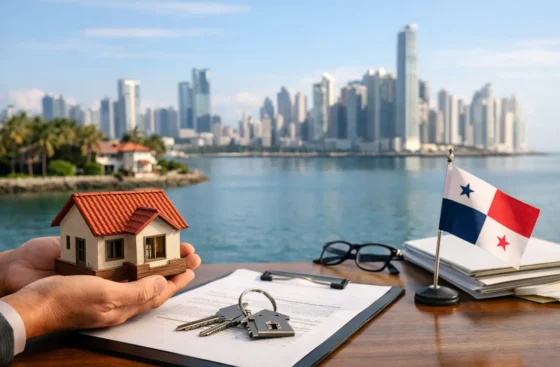
A home in Boquete, a condominium in Panama City, or a beachfront parcel held for years as a family investment can become difficult to manage the moment an owner dies. So, can foreigners inherit Panama property? In general, yes. A foreign national can inherit real estate located in Panama, but the transfer must follow Panama’s succession rules and the property must be properly registered in the heir’s name.
Nationality is rarely the central obstacle. The real work lies in confirming who has inheritance rights, validating the documents, completing the appropriate estate proceeding, and recording the resulting transfer in the Public Registry. For families living in the United States or elsewhere, those steps require careful coordination across jurisdictions.
Can Foreigners Inherit Panama Property Under Panamanian Law?
Panamanian law generally recognizes the right of foreign individuals to own and inherit property in Panama. An heir does not need to become a Panamanian resident or citizen simply to receive an inherited apartment, house, parcel of land, or an interest in a Panamanian company that owns real estate.
That answer comes with an important qualification. Every property must be reviewed individually. Certain land classifications, border-area restrictions, concession rights, agrarian rights, and contractual limitations can affect what may be transferred and under which conditions. The same is true when the deceased owned only a right of possession rather than titled land, a distinction that can materially change the inheritance strategy.
For standard titled residential or commercial property, however, foreign heirs can usually receive title once the succession process is completed and the required registry formalities have been met.
The Estate Process Depends on Whether There Is a Will
The first question is not where the heir lives. It is whether the deceased left a valid will and what assets are included in the estate.
When there is a will, the process focuses on presenting and recognizing that will, identifying the beneficiaries, determining the estate assets, addressing debts, and obtaining the legal authority needed to transfer the property. A will executed outside Panama may be useful, but it does not automatically produce a title change in Panama. Its formal validity, applicable law, apostille or legalization requirements, Spanish translation, and use before Panamanian authorities must all be reviewed.
When there is no will, the estate generally proceeds through intestate succession. Panamanian law establishes an order of inheritance that may include a surviving spouse, children, parents, and other relatives, depending on the family structure and circumstances. A person who expects to inherit under U.S. law should not assume the same result applies to real estate in Panama.
This is especially relevant for blended families, unmarried couples, children from prior relationships, and families in which a divorce, separation, or death certificate issued abroad has not been properly documented. Succession rights depend on facts and legal status, not family assumptions.
Why Panama Property Requires a Local Succession Review
Real estate is governed closely by the law of the country where it is located. Even if the deceased lived, paid taxes, and prepared an estate plan in the United States, Panama has a direct interest in the transfer of a Panama property title.
A foreign probate order, trust document, or will may support the Panamanian process, but it may not be enough on its own to update the Public Registry. The estate must be analyzed under Panamanian procedures, and the authority of an executor, administrator, or heir may need local recognition before a conveyance can be recorded.
The title review should also confirm whether the deceased truly owned the asset personally. It is common for foreign investors to purchase Panamanian property through a corporation, private interest foundation, trust, or another legal structure. In that case, the estate may be inheriting shares, foundation rights, or beneficial interests rather than the real estate itself.
That distinction affects the documents, approvals, tax analysis, corporate compliance, and long-term control of the property. It can also determine whether family members need to deal with a property transfer, a corporate share transfer, or both.
Documents Foreign Heirs Commonly Need
The exact file depends on the estate, but foreign heirs should expect to collect formal documentation early. Documents issued outside Panama normally require apostille or consular legalization, as applicable, and an official Spanish translation for use in the local process.
A well-prepared succession file often includes:
- The deceased owner’s death certificate
- The original will or certified copy, if one exists
- Proof of the heir’s identity and family relationship
- Marriage, birth, divorce, or adoption records when relevant
- The Panama property deed, registry information, and cadastral details
- Corporate documents if the property is held through a company
- Powers of attorney for heirs who will not travel to Panama
A small error in names, dates, marital status, or document authentication can delay the proceeding. For example, a property deed may show a middle name or a second surname that does not appear in a foreign death certificate. Those inconsistencies are often solvable, but they should be addressed before the registry filing stage.
From Inheritance Rights to Registered Title
Being named as an heir is not the same as appearing as the registered owner. The succession process must establish the heir’s rights, resolve the estate’s obligations, and produce the legal documentation required for registration.
Once the appropriate authority or instrument is in place, the transfer is submitted for registration. Only after the Public Registry reflects the change can the heir reliably sell, mortgage, lease, or otherwise dispose of the property as owner. Until then, the asset may remain tied to the deceased’s name, creating practical problems with banks, buyers, tenants, insurers, and co-owners.
If there are several heirs, the property may initially be held jointly. That can work when family members have a clear written plan, but it can create conflict when one heir wants to sell, another wants to occupy the property, and another lives abroad. A later partition, sale, buyout, or corporate restructuring may be necessary to turn inherited rights into a practical ownership arrangement.
Taxes, Fees, and Existing Property Obligations
Foreign heirs often ask whether Panama imposes an inheritance tax. Panama’s tax treatment should be reviewed based on the current rules and the specific estate structure, but the financial analysis should not stop with that question.
There may be legal fees, court or notarial costs depending on the procedure, registry charges, translation expenses, appraisal needs, municipal obligations, condominium fees, and unpaid property taxes. If the property is sold after inheritance, the sale can raise a separate tax analysis. A corporation that owns the property may also have annual fees, accounting obligations, beneficial ownership reporting, and outstanding compliance issues.
Debt matters as well. A mortgage, lien, lease, pending claim, or tax arrears can affect the value and transferability of the inherited asset. Before accepting a distribution plan or signing a sale agreement, heirs should understand exactly what the property carries with it.
Planning Ahead When the Owner Is Still Living
The least expensive succession problem is usually the one avoided through planning. A clear estate plan can reduce uncertainty for family members and prevent a Panama asset from becoming inaccessible while heirs try to understand a foreign legal system.
For some owners, a Panama-compatible will is the most direct solution. For others, a corporation, trust, or private interest foundation may offer a better framework for continuity and control. None of these structures is automatically right for every family. A company can simplify some ownership transitions but adds compliance duties. Joint ownership may appear simple but can leave surviving owners exposed to disputes. A trust can be useful when designed correctly, yet it must fit the client’s tax, family, and asset-protection goals.
The best approach begins with a full review of the title, the owner’s residency and tax position, family circumstances, existing estate documents, and the intended future of the property.
Protect the Property Before a Delay Becomes a Dispute
When a foreign owner dies, relatives should avoid informal arrangements based only on verbal instructions or a foreign document that has not been reviewed for Panama. They should preserve the property records, verify the registered owner, confirm payment status, and obtain advice before signing any renunciation, settlement, transfer, or listing agreement.
Kovalenko & Vera provides coordinated legal support for succession matters involving Panamanian real estate, corporate ownership structures, property transfers, and foreign documentation. With the right local strategy, foreign heirs can move from uncertainty to a legally secure title and a clear decision about the asset’s future.