
Panama Citizenship Requirements and Next Steps
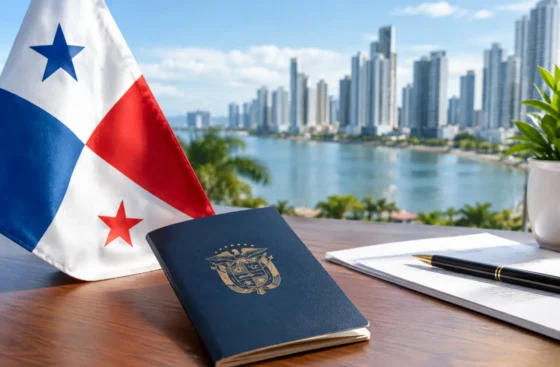
A Panamanian passport may be the long-term goal, but Panama citizenship is not the starting point of an immigration plan. It is the result of building a legally consistent life in the country: obtaining the right residence status, maintaining it correctly, documenting your ties to Panama, and applying only when the constitutional and administrative requirements are met.
For retirees, investors, business owners, and families, this distinction matters. A residence permit can support the right to live in Panama. Citizenship and nationality can create a deeper legal relationship with the country, including political rights and access to a Panamanian passport. The route is achievable for qualified applicants, but it should be planned carefully from the first immigration filing.
What Panama Citizenship Means in Practice
Panama recognizes several paths to nationality, including nationality by birth, by descent in certain circumstances, and by naturalization. Most foreign residents considering this option will pursue naturalization after a qualifying period of lawful residence.
Naturalization is not automatic. Holding permanent residence, a Panamanian cedula, a local bank account, or real estate does not independently make a person a citizen. These facts may be relevant to a person’s broader connection with Panama, but the applicant must satisfy the applicable legal conditions and complete the formal procedure before the competent authorities.
For many international clients, citizenship planning begins after they have already established permanent residence through a category such as a qualified investor route, a pensioner program, employment, family ties, or another approved immigration pathway. The proper route depends on the applicant’s facts, nationality, source of income, investment structure, and long-term plans.
Panama Citizenship Through Naturalization
Under Panama’s constitutional framework, a foreign national may generally seek naturalization after five consecutive years of residence in Panama. Certain applicants may qualify under different rules, including foreign nationals with three consecutive years of residence who have children born in Panama to a Panamanian parent. Nationals by birth of certain Latin American countries and Spain may also have a distinct constitutional basis for seeking Panamanian nationality, subject to the legal requirements applicable to their case.
The details matter. A person should not assume that marriage to a Panamanian citizen, ownership of a home, or years of occasional visits automatically shortens the naturalization timeline. Marriage may be highly relevant to a residence application and family-based immigration strategy, but the citizenship analysis must follow the precise legal grounds available to the applicant.
The word “consecutive” deserves particular attention. Immigration records, travel history, residence status, and the continuity of a person’s legal presence can all become relevant during review. Frequent travel is common for investors and executives, but extensive absences or gaps in legal status can create questions that should be addressed before filing.
Permanent Residence Comes First
A temporary visa and permanent residence are not interchangeable. Before pursuing citizenship, an applicant should confirm that their immigration category provides a sound path to permanent legal residence and that all renewals, registrations, and identification documents have been handled correctly.
This is especially relevant for clients who arrive in Panama with an investment or business objective. A corporation, a real estate purchase, or a local operation may support a broader relocation strategy, but each component must be structured correctly. The immigration file, corporate records, property documents, tax position, and banking information should tell a consistent story.
Good Standing Is More Than a Formality
Naturalization applications commonly require documentary evidence showing identity, immigration history, and good standing. Depending on the case and current administrative requirements, applicants may need to provide valid passports, birth records, certificates from immigration authorities, criminal background documentation, photographs, sworn statements, and other supporting records.
Documents issued abroad often require apostille or legalization and, when they are not in Spanish, an appropriate translation. A document that is perfectly valid in the United States may still be unusable in Panama if its authentication, translation, dates, or personal data do not meet local requirements.
Names are a frequent source of avoidable delays. Differences involving middle names, married names, hyphenated surnames, or variations between a passport and a birth certificate should be identified early. The same is true for prior divorces, adoptions, citizenship changes, or previous immigration filings in other countries.
The Naturalization Process Requires Preparation
The application process for naturalization involves more than submitting a folder of documents. Authorities may review the applicant’s immigration status, length of residence, identity records, criminal history, and compliance with the legal process. Applicants can also expect formal declarations or examinations required under current rules, which may address Spanish language ability and knowledge of Panama’s history, geography, and civic framework.
For a US citizen, the language requirement should be considered honestly at the beginning of the plan, not shortly before filing. Daily life in Panama can be managed in English in some communities and business settings, but a naturalization process is conducted within a Spanish-speaking legal system. Practical Spanish preparation strengthens both the application experience and the applicant’s ability to manage local affairs independently.
Processing times can vary. They depend on the applicant’s file, government workload, document corrections, interviews or examinations, and the review procedures in force at the time of submission. No responsible advisor should promise a fixed approval date. The strategic objective is a complete, coherent application that reduces preventable requests for clarification.
Dual Nationality and Your Existing Citizenship
Before applying, a foreign national should understand how Panamanian nationality may interact with their existing citizenship. Panama has rules concerning nationality, and the applicant may be required to make statements connected to allegiance as part of the naturalization process. At the same time, the legal effect on a person’s original nationality may depend on the laws of that other country.
For US citizens, the United States generally does not treat acquisition of another nationality as an automatic loss of US citizenship. Still, citizenship carries personal, tax, estate-planning, family, and travel implications. Anyone with assets, business interests, or heirs in multiple jurisdictions should consider the matter with coordinated legal and tax advice rather than viewing a second nationality as only a passport decision.
Citizenship also does not eliminate every cross-border obligation. US persons may continue to have US tax reporting responsibilities while living abroad. A Panamanian company, trust, bank account, property purchase, or investment structure should be reviewed for both Panamanian compliance and any applicable foreign reporting duties.
Common Mistakes That Put a Future Application at Risk
The most costly mistakes usually occur years before the citizenship application is filed. Some residents choose an immigration category based only on a quick initial approval, without asking whether it supports their intended long-term status. Others let documents expire, fail to update personal information, or create records that do not align across immigration, corporate, banking, and property files.
Another common issue is treating Panama residence as a paper exercise while spending little time in the country. Every case has its own facts, and travel is not inherently a problem. However, applicants seeking naturalization should be prepared to demonstrate that Panama is a genuine and lawful center of life, not merely an address maintained for convenience.
Applicants should also avoid relying on outdated online checklists. Immigration and administrative practices can change, and a rule that applied to another person several years ago may not apply to a current filing. The right approach is to confirm the requirements in force when planning and again before submission.
Build a Citizenship Plan Around Your Real Goals
For some people, permanent residence is sufficient. A retiree may value the ability to reside in Panama, access local services, and maintain a stable home without needing citizenship. For others, naturalization may be a meaningful step because they want a Panamanian passport, deeper family integration, voting rights, or a permanent connection to a country where they have built a business and life.
The best strategy starts with a candid review of your objective. Are you relocating full time? Investing in real estate? Establishing a family base? Operating a company or managing maritime assets? Each decision affects the documentation and legal structure that should be put in place from the outset.
Kovalenko & Vera helps clients coordinate immigration, corporate, real estate, and asset-planning matters so that a residence strategy supports the life or business they intend to build in Panama. A well-prepared path does not rush a citizenship application. It creates the legal foundation that makes the application credible when the time is right.