
Panama Shipping Regulations for Vessel Owners
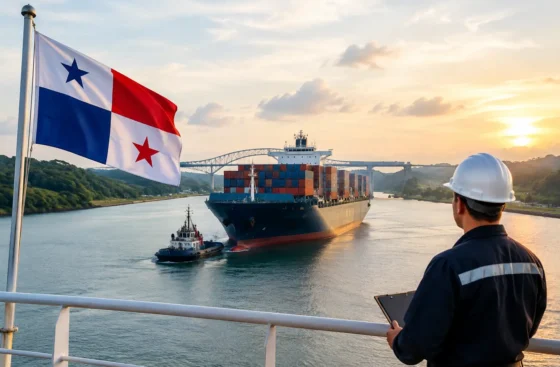
A Panama flag can offer meaningful operational and financing advantages, but it also creates continuing legal responsibilities. Panama shipping regulations affect far more than the initial registration of a vessel: they influence its technical certificates, crew documentation, mortgage recordation, radio licensing, safety inspections, and ability to trade without interruption.
For owners, operators, lenders, and investors, the central issue is not simply whether a vessel can be registered in Panama. It is whether the ownership and operational structure will remain compliant as the vessel changes ports, crews, charter arrangements, and commercial activity. A properly planned registration helps protect the asset. An incomplete or neglected file can create delays, penalties, detention exposure, and complications during a sale or financing transaction.
Panama Shipping Regulations: The Owner's Starting Point
Panama maintains one of the world’s largest open ship registries. This means that foreign individuals and companies can generally register vessels under the Panamanian flag without being Panamanian citizens or residents. The vessel may be owned directly by an individual, by a foreign company, or by a Panamanian corporation or other legal entity, depending on the owner’s commercial, tax, financing, and asset-protection objectives.
The registration process is administered through the Panama Maritime Authority, while key ownership and mortgage rights are recorded through Panama’s Public Registry. In practice, this involves more than submitting a vessel’s name and technical details. The registry will require supporting evidence regarding ownership, prior deregistration where applicable, vessel characteristics, tonnage, and the authority of the person or entity requesting registration.
Owners should also distinguish between a provisional registration and a permanent registration. A provisional patent may allow a vessel to begin operating under the Panamanian flag while the permanent file is completed. It should not be treated as the end of the process. Missing documents, expired certificates, or inconsistencies in ownership records can prevent permanent registration or create difficulties later when the vessel is sold, refinanced, or inspected.
Registration Must Match the Vessel’s Real Use
A yacht held for private recreation, a cargo vessel engaged in international trade, an offshore support vessel, and a vessel under a bareboat charter do not present the same compliance profile. The legal structure should reflect how the vessel will actually be used.
For example, a privately used yacht may require a different set of operational documents and inspections than a vessel carrying passengers for compensation. If a yacht begins charter activity, the owner may need to reassess its licenses, insurance, safety procedures, crew arrangements, and tax treatment. Calling a vessel “private” while operating it commercially can expose the owner to substantial risk in Panama and in foreign ports.
Commercial vessels commonly face additional requirements connected with international conventions, classification, crew competency, safety management, pollution prevention, and security. The applicable obligations depend on factors such as gross tonnage, vessel type, route, cargo, passenger capacity, and whether the vessel conducts international voyages.
This is why registration should be approached as part of a broader legal plan. The right flag registration, corporate owner, operating agreements, and financing documents must work together rather than exist as separate filings.
Core Compliance Areas for Panama-Flagged Vessels
Technical Certificates and Surveys
A Panama-flagged vessel must maintain the certificates required for its category and operations. These may include statutory safety, pollution-prevention, radio, tonnage, security, and labor-related certificates. Many inspections and surveys are conducted by authorized recognized organizations, often classification societies, acting on behalf of the Panamanian administration.
Certificate validity is not merely administrative. Port State Control authorities in other jurisdictions may inspect a Panama-flagged vessel and review whether its documentation is current and whether onboard conditions match the certificates issued. Deficiencies related to fire safety, lifesaving equipment, navigation, machinery, pollution control, or crew working conditions can lead to detention.
Owners should maintain a compliance calendar that tracks certificate expiration dates, scheduled surveys, dry-docking requirements, and any corrective actions identified by a class surveyor or port inspection. A last-minute renewal strategy is rarely effective, particularly when a vessel is operating internationally or has a narrow window for entering a shipyard.
Crew Documentation and Labor Standards
Crew compliance is one of the most sensitive areas of maritime operations. Panama applies international standards governing seafarer certification, training, welfare, employment conditions, medical fitness, and hours of rest. The documents required will vary by position and vessel type, but owners must ensure that officers and crew hold the appropriate credentials for their assigned duties.
The vessel’s manning level must also be appropriate for safe operation. A crew roster that appears acceptable on paper may still create a compliance problem if work and rest records demonstrate fatigue, inadequate staffing, or unsafe watchkeeping practices.
For commercial operations, employment agreements, wage records, repatriation arrangements, onboard complaint procedures, and crew accommodations may be reviewed under international labor standards. These obligations should be addressed before crew members join the vessel, not only after an inspection or a dispute arises.
Safety, Security, and Environmental Responsibilities
Panama-flagged commercial vessels may be subject to international requirements relating to safety management, ship security, oil pollution, sewage, garbage, air emissions, ballast water, and hazardous materials. The specific rules depend on the vessel and voyage, but the operational principle is consistent: the owner and operator must be able to demonstrate actual compliance, not simply maintain a file of certificates.
For example, a garbage management plan has little value if crew logs are incomplete or waste is handled contrary to port requirements. Similarly, an International Safety Management system must be implemented onboard through procedures, training, reporting, and corrective action. Port inspectors regularly assess whether a safety system is functioning in practice.
Environmental compliance also extends beyond Panama. A vessel may be registered in Panama while calling at ports with stricter local rules regarding emissions, waste discharge, fuel quality, invasive species controls, or protected maritime areas. Owners need to evaluate the standards of both the flag state and each port state in the vessel’s trading pattern.
Ownership Records and Vessel Mortgages
A vessel is often a high-value movable asset, and clear ownership records are essential. The name of the registered owner, the chain of title, corporate authorizations, and supporting acquisition documents should be consistent across the registration file and the Public Registry record.
When a vessel is financed, a properly structured Panamanian ship mortgage can be a critical part of the lender’s security package. The mortgage must be executed, registered, and coordinated with the underlying loan documentation. Priority between creditors can depend on the timing and legal effectiveness of the registration.
This is especially relevant when the owner is a corporate entity formed solely to hold the vessel. The company’s articles, director authority, shareholder approvals, powers of attorney, and good-standing status should be reviewed before the mortgage is signed. A financing transaction can be delayed when the vessel title is clean but the corporate authority is incomplete.
A sale should receive the same level of care. Buyers should conduct legal due diligence on ownership, recorded mortgages, liens, certificate status, pending claims, and whether the vessel can be validly transferred and deregistered if necessary. The purchase price alone does not reveal the full legal condition of a vessel.
A Practical File for Owners and Operators
A well-managed Panama-flagged vessel should have an organized legal and compliance record that is accessible when needed. At minimum, owners should maintain current copies of:
- The registration patent, radio license, and certificates of ownership.
- Corporate records and powers of attorney for the registered owner.
- Class, statutory, safety, security, and environmental certificates.
- Crew credentials, employment records, and manning documentation.
- Insurance policies, financing documents, and recorded mortgage information.
- Inspection reports, deficiency notices, and evidence of corrective action.
The precise contents will vary, especially between private yachts and commercial vessels. Still, the objective is the same: anyone reviewing the vessel’s status should be able to identify its owner, authority to operate, technical condition, crew compliance, and outstanding security interests without uncertainty.
When Legal Guidance Is Most Valuable
Owners often seek legal support only when a vessel has been detained, a sale is imminent, or a lender requests urgent documentation. Those are important moments, but preventive advice is generally more efficient. Early review is particularly valuable when establishing a vessel-owning company, registering a first vessel in Panama, converting a private yacht to charter use, recording a mortgage, changing ownership, or resolving an inconsistency in registry documents.
At Kovalenko & Vera, we help clients coordinate maritime registration with the corporate, financing, and asset-protection decisions behind it. Our approach is focused on clear documentation, practical compliance, and legal structures that support your commercial or personal objectives.
A Panama flag can be a strong platform for vessel ownership, provided the legal file receives the same attention as the vessel itself. Before the next registration, purchase, charter, or financing decision, confirm that your structure is built to withstand scrutiny at sea and on shore.