
Panama Visas: Choosing a Route That Fits
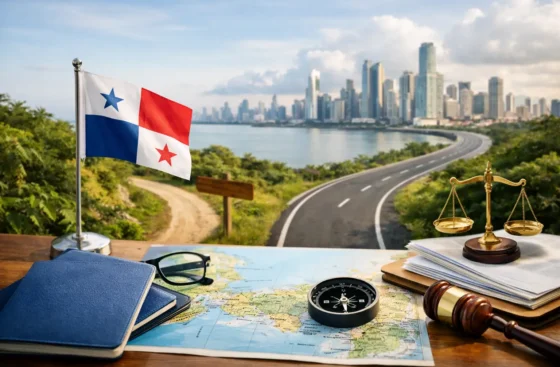
A move to Panama often begins with a practical question: which legal status will allow you to live, invest, work, or reunite with family without creating avoidable complications later? Panama visas are not a single process. They include different immigration categories, eligibility standards, documentary requirements, and long-term consequences for your personal and business plans.
For U.S. citizens and other foreign nationals, the best route is rarely the one that sounds easiest online. A retirement plan, a real estate purchase, a new business, and a Panamanian spouse can each point to a different residence strategy. The right decision should account for where your income comes from, whether you need local work authorization, how you will hold assets, and what you expect your life in Panama to look like two or five years from now.
Start With the Purpose of Your Stay
The strongest immigration strategy starts with the facts, not the visa name. Panama offers options for retirees, investors, employees, dependents, spouses of Panamanian citizens, nationals of countries with specific immigration arrangements, and individuals with other qualifying circumstances. Each category has its own legal basis.
A retiree with stable lifelong income may have a very different path from an entrepreneur opening a Panamanian company. Likewise, buying a condominium does not automatically mean that a person has selected the most appropriate residence category. Property can support an investment-based application in certain cases, but the investment must meet the applicable legal conditions, be documented correctly, and fit the applicant's broader goals.
Before filing, it is useful to define four points: the source of your income, your intended activities in Panama, the family members who may apply with you, and the assets or businesses you intend to establish or acquire. These answers help identify a route that is legally sound and operationally practical.
Common Panama Visa and Residence Routes
Pensioner Residence
Panama's Pensioner Visa, often called the Pensionado program, is one of the most recognized options among retirees. It is designed for applicants who receive a qualifying lifetime pension or retirement income and can demonstrate that income through the proper official documentation.
This category can be attractive because it may provide permanent residence without requiring the applicant to make a local investment solely for immigration purposes. However, pension income must satisfy the legal criteria, and documents issued abroad generally require formal authentication or legalization, translation where applicable, and careful presentation to Panamanian authorities.
The key trade-off is employment. Retirement-based residence does not necessarily provide permission to work in Panama. A person who expects to manage a local business, take employment with a Panamanian company, or provide services in a way that requires work authorization should seek advice before relying on a pensioner route.
Investor Residence
Investment-based residence may be suitable for clients whose plans involve real estate, a fixed-term deposit, a Panamanian business, or other qualifying investment structures under current law. This option often appeals to investors who want their immigration status and capital deployment to support a single long-term plan.
Yet an investment should never be made merely to check an immigration box. The purchase structure, source-of-funds documentation, title review, financing terms, tax treatment, and ownership vehicle all matter. For example, a client purchasing property may need to decide whether to hold it personally, through a Panamanian corporation, or through another legal structure. That choice can affect estate planning, asset management, banking, and future transactions.
A coordinated review is especially valuable when residence is connected to a property purchase or business investment. Immigration counsel should work alongside real estate, corporate, banking, and tax planning considerations rather than treating the visa as an isolated filing.
Residence Through Employment or Business Activity
Foreign nationals who plan to work in Panama must consider both immigration status and labor authorization. A residence application alone may not be enough to lawfully work for a local employer or perform activities that authorities classify as local employment.
The appropriate route depends on the employer, the position, the applicant's nationality, the relevant labor rules, and whether the individual will be an employee, executive, investor, or owner of a business. Panama also reserves certain professional activities for Panamanian nationals, which can affect how a foreign professional structures a role.
For entrepreneurs, creating a corporation or limited liability company is not the same as obtaining personal residence or work permission. A company can be an effective business vehicle, but the owner's immigration status must be evaluated separately. Proper planning prevents a common mistake: incorporating first and discovering later that the intended operating role requires additional approvals.
Family-Based Residence
Marriage to a Panamanian citizen, family ties, and dependent relationships can support residence applications when the legal requirements are met. These cases require more than civil certificates. Immigration authorities may examine whether the relationship is genuine, ongoing, and supported by consistent evidence.
Family applications deserve careful preparation because personal circumstances can change. Couples may later acquire property, start a business, have children, or face a separation. A well-advised client considers not only the initial residence filing but also how immigration status, assets, custody matters, and estate planning could intersect in the future.
Entry Permission Is Not the Same as Residence
One of the most frequent sources of confusion is the distinction between entering Panama and becoming a legal resident. Depending on nationality and travel circumstances, a visitor may be permitted to enter for a limited stay. That permission does not automatically authorize employment, establish permanent residence, or replace a formal immigration process.
Visitors should avoid assuming that repeated entries are a substitute for a residence strategy. Travel rules, permitted periods of stay, and enforcement practices can change. If Panama will become your principal home, business base, or investment center, a formal residence route provides greater legal certainty than relying on visitor status.
Documents Determine the Pace of the Process
Many immigration delays begin before the application reaches Panama. Birth certificates, marriage certificates, criminal background records, pension letters, corporate records, and bank documents may need apostilles or other authentication, certified translations, and validity review. A document that is technically correct in the United States may still be unusable for a Panamanian filing if it is outdated, improperly legalized, or inconsistent with other records.
Names, dates, and marital status must align across the full file. A minor difference between a passport and a birth certificate can require clarification. Applicants should also expect personal documents to have limited validity windows, particularly police records and financial evidence. Collecting everything too early can be as problematic as collecting it too late.
A legal review before documents are ordered can save meaningful time and expense. It identifies which originals are needed, which records require apostille, whether a spouse or child should be included as a dependent, and whether the selected immigration category requires evidence beyond the obvious minimum.
Think Beyond Approval
Approval is an important milestone, but it is not the end of the legal work. New residents may need to obtain a Panamanian identification card, address banking requirements, register a company, complete a real estate closing, prepare wills or succession documents, or arrange labor compliance for a growing business.
Tax residency also requires an individualized analysis. Panama generally applies a territorial tax system, but that does not mean every foreign national will have the same tax outcome. U.S. citizens, in particular, remain subject to U.S. reporting and tax obligations that should be considered with qualified cross-border tax professionals. Immigration status, physical presence, income source, and asset ownership can all matter.
For clients with substantial assets or commercial plans, residence should be part of a wider legal framework. The objective is not simply to receive a card or stamp. It is to build a structure that supports your family, preserves flexibility, and reduces avoidable legal exposure.
How to Choose With Greater Confidence
The right Panama visa route depends on your actual purpose, not a generic checklist. A retiree seeking a permanent home may prioritize predictable residence and straightforward documentation. A real estate investor may need immigration planning that fits the acquisition and financing structure. A business owner may need to coordinate company formation, permits, employment rules, contracts, and residence status from the beginning.
At Kovalenko & Vera, we approach immigration as part of the client's complete objective in Panama. That may include residence, a local ID card, corporate structuring, property acquisition, banking preparation, or protection of family and business interests. Clear advice at the beginning helps prevent a fragmented process later.
Requirements and administrative criteria can change, so decisions should be based on current rules and a review of your individual circumstances. When your immigration plan reflects the life or business you genuinely intend to build, Panama becomes more than a destination - it becomes a legally secure foundation for what comes next.